
Gamification brings an added layer of motivation through points, challenges, badges, and progress tracking—turning routine lessons into rewarding adventures. Students can repeat experiments without penalties, correct mistakes, and learn at their own pace. It fosters curiosity and encourages trial-and-error learning in a controlled digital space.
These labs are also inclusive, allowing students with disabilities to participate equally. World where STEM education is increasingly vital, gamified virtual labs break down barriers and build confidence .
As more schools adopt this technology, science education is evolving from static textbooks to dynamic, interactive experiences that are fun, safe, and highly effective.
Introduction
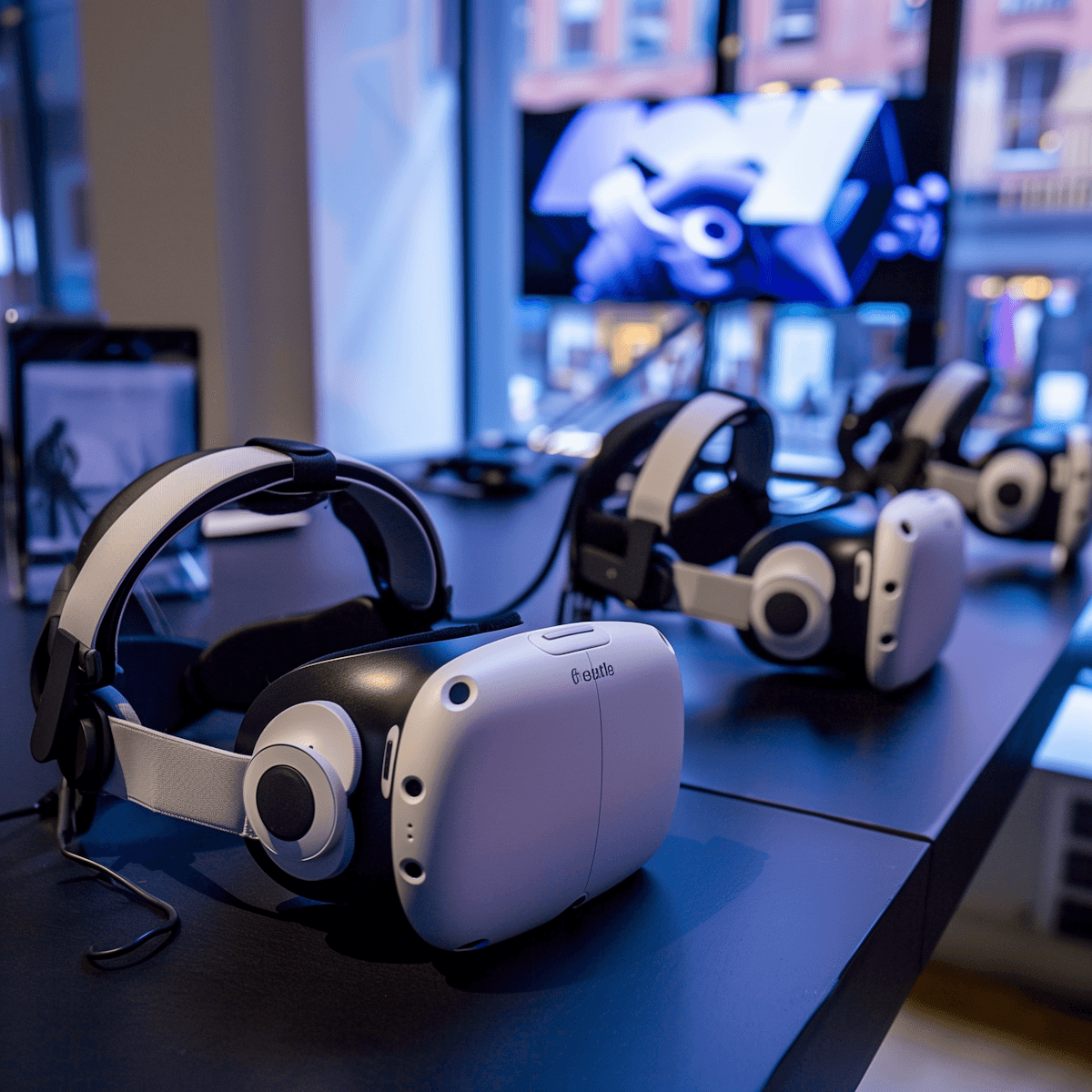
Science labs are essential for experiential learning, but aren't always practical for schools due to cost or safety restrictions. Virtual gamified labs simulate experiments like titrations or circuit builds, enabling students to explore concepts in a safe, interactive, and engaging environment.
Why Real Labs Are Limited
Physical labs require expensive equipment, safety protocols, and supervision. Students often only get one shot at complex experiments. Repetition and deep exploration—key to understanding—are often constrained by time and resources.
How Gamified Labs Work
Students interact with virtual tools, measuring, mixing, and observing results in a controlled digital space.
AI moderates difficulty, offers real-time feedback, and prompts students to revise their approach if mistakes occur.
Gamified elements such as points, badges, and challenges enhance motivation while tracking progress.
Where It’s Adopted
School chemistry classes offer unlimited access to experiments. University remote programs use them for safe equipment practice. Corporate labs employ virtual simulations for training staff.
Final Thoughts
Gamified virtual labs are creating accessible, repeatable, and safe learning experiences. By combining virtual reality with pedagogy, students engage more deeply and learn science through doing—not just watching.

Daniel Carter
Educational Technology Specialist
More from
Daniel Carter

Similar Articles


